The three levels of fit-out
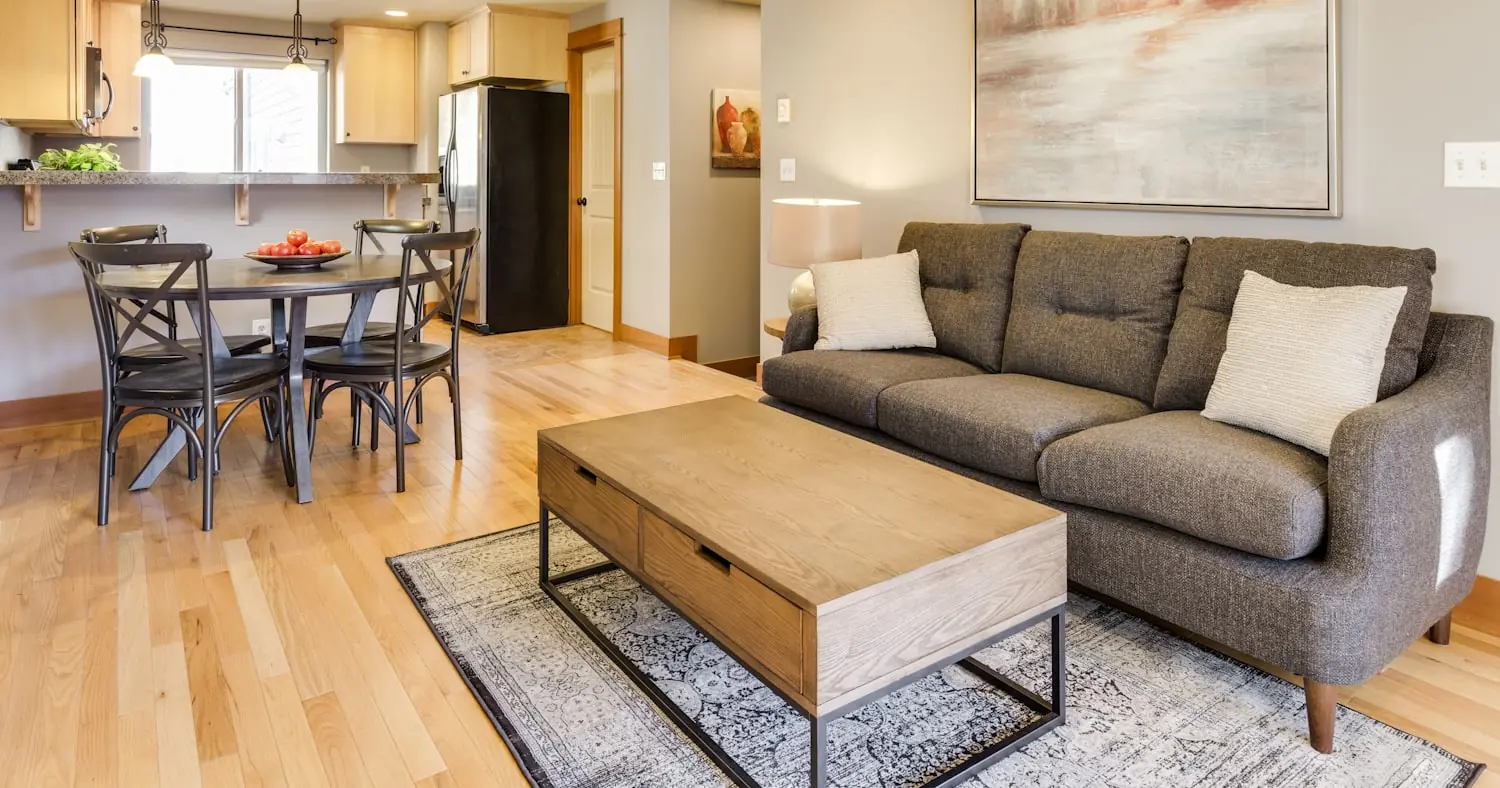
- Gemeubileerd (furnished): the home is fully furnished, with bed, sofa, table and sometimes crockery. You can move in with a suitcase. Higher rent, ideal for a first move or a short stay.
- Gestoffeerd (semi-furnished / fitted): floors, curtains, sometimes a fitted kitchen and appliances, but no furniture. The most common type. You bring your own furniture.
- Kaal (bare / empty): a totally empty home, sometimes even without flooring or light fittings. Lower rent, but a significant upfront investment: our guide to furnishing a home in Amsterdam prices it item by item.
Our glossary of Dutch rental vocabulary covers these terms and fifty more.
The classic trap for a newcomer: renting "kaal" thinking it's like an unfurnished flat back home, and discovering you have to install everything, flooring included.
Utilities included or not?
Check whether the rent is:
- inclusief (utilities included: gas, water, electricity, sometimes internet);
- exclusief (excluding utilities, add €250 to €400/month).
The same listing can look cheap "kaal exclusief" and end up far more expensive once fitted out and with utilities paid. Always compare on equivalent fit-out and utilities.
Lease length: the questions to ask
The length and the exit terms matter as much as the rent, especially if you do not yet know how long you will stay in Amsterdam. Before signing, get these confirmed in writing:
- the length of the lease, and what happens when it ends;
- the notice period for leaving, and the date it runs from;
- any diplomatic clause (diplomatenclausule), which provides that the owner takes the home back on an agreed date, often on returning from a posting: it effectively sets your move-out date;
- whether inschrijving is allowed: no registration with the municipality means no BSN, no bank account, no health insurance. It is not negotiable.
If your stay has a known end date, align it with the lease: that is what saves you paying for two homes at once.
Deposit and first month
Expect:
- a deposit of usually one to two months' base rent;
- sometimes the first month in advance;
- very often agency fees, around 1.5 times the monthly rent: ask what they cover and who the agency works for before paying.
Everything should be written into the lease, including how the deposit is returned; the exit process is covered in our guide to ending a tenancy. Be wary of unexplained extras: key money (sleutelgeld) or opaque contract fees are warning signs.
Check the service charges line (servicekosten) too: ask for the breakdown and the annual statement. An "all-in" rent that blends base rent, service charges and energy without a breakdown stops you from checking what you are actually paying for.
Before signing: the checklist
- ☐ I know whether it's gemeubileerd, gestoffeerd or kaal
- ☐ I know whether utilities are included (inclusief) or not (exclusief)
- ☐ The length and notice are clear
- ☐ The inschrijving is allowed and written in the lease
- ☐ The deposit, first month and any fees are itemised
- ☐ An inventory/check-in report is planned
Unsure about a Dutch lease before signing? Let's talk about your move: we'll read the contract with you so no clause slips past you.
In summary
In Amsterdam, read the listing before you dream of the home: furnished, semi-furnished or bare, utilities included or not, lease length and inschrijving change everything. Comparing on equal fit-out and insisting on a clear written lease saves you from nasty surprises.